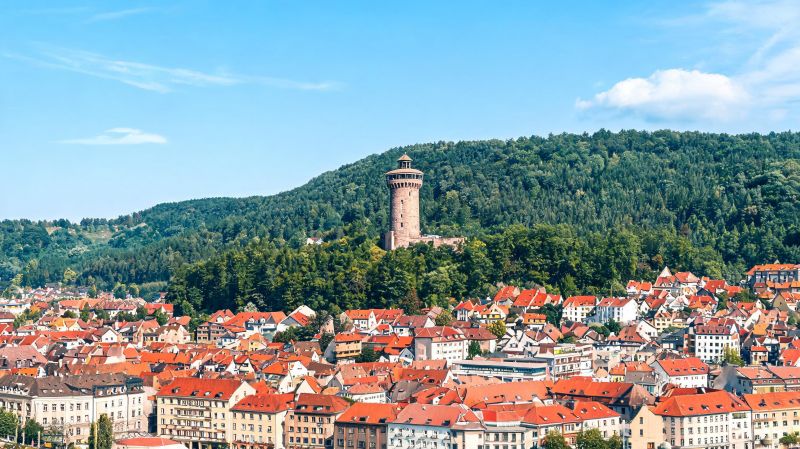
Kaiserslautern doesn't try to charm you. The city spreads out in functional grey blocks, its streets named after American generals and German poets, and the first thing you notice is the constant low hum of traffic on the B37. This is a place built on industry and military logistics。not on picturesque half-timbered tourism. And yet, spend three days here and the city starts to reveal a stubborn, unpolished character that's hard to find in more polished German towns.The American presence is impossible to ignore. Ramstein Air Base sits just outside town。and Kaiserslautern itself hosts the largest US military community outside the United States. You hear English spoken in the bakery on Fischerstraße, see pickup trucks with Texas plates parked near the train station, and find American-style diners serving pancakes next to traditional butcher shops. Some locals complain about the noise from fighter jets, others appreciate the economic boost. Either way, the cultural mix gives Kaiserslautern a distinctly transatlantic flavor—something you won't find in Heidelberg or Speyer.Walk up to the Humbergturm on a clear afternoon and the view explains the city's layout. The Pfälzerwald forest presses right up against the western edge, dense and dark green, while the industrial zone spreads eastward toward Ludwigshafen. In between。Kaiserslautern's center is surprisingly compact. The Kaiserpfalz ruins—a medieval palace foundations rediscovered in the 1990s—sit half-buried next to a shopping mall. It's an odd juxtaposition, emperor's stones and discount sneakers, but that's Kaiserslautern: layers of history that don't pretend to be a museum.
What surprised me most was the food scene. The Pfalz region is wine country, and Kaiserslautern's weekly market on Stiftsplatz sells bottles from vineyards less than twenty kilometers away. Try a glass of Riesling from Deidesheim at a stand run by a farmer who also sells homemade liver sausage. The city's traditional dishes—Saumagen (pig's stomach stuffed with pork and potatoes), liver dumplings, and chestnut soup—are heavy, honest。and unapologetically local. A small brewery near the Hauptbahnhof, Lauterer Brauerei, produces a dark lager that's worth seeking out. Don't expect Michelin stars;
expect portions that leave you needing a walk afterward.Kaiserslautern's cultural life punches above its weight. The Pfalztheater stages ambitious opera and drama productions, and the city hosts one of Germany's largest annual funfairs, the Lautrer Kerwe, every September. But the real test is whether a place feels lived-in. Here, it does. You see teenagers skateboarding in front of the Rathaus。retired workers drinking beer at 10 a.m. outside a corner pub, and Turkish greengrocers who know their regular customers' names. The city doesn't sell itself well—there's no glossy tourist brochure charm. It just keeps working, like the factories that made it and the soldiers who pass through. And for a certain kind of traveler, that's exactly the point.